IELTS Speaking Topics 2026: Part 1, 2 and 3 Questions with Sample Answers
Updated
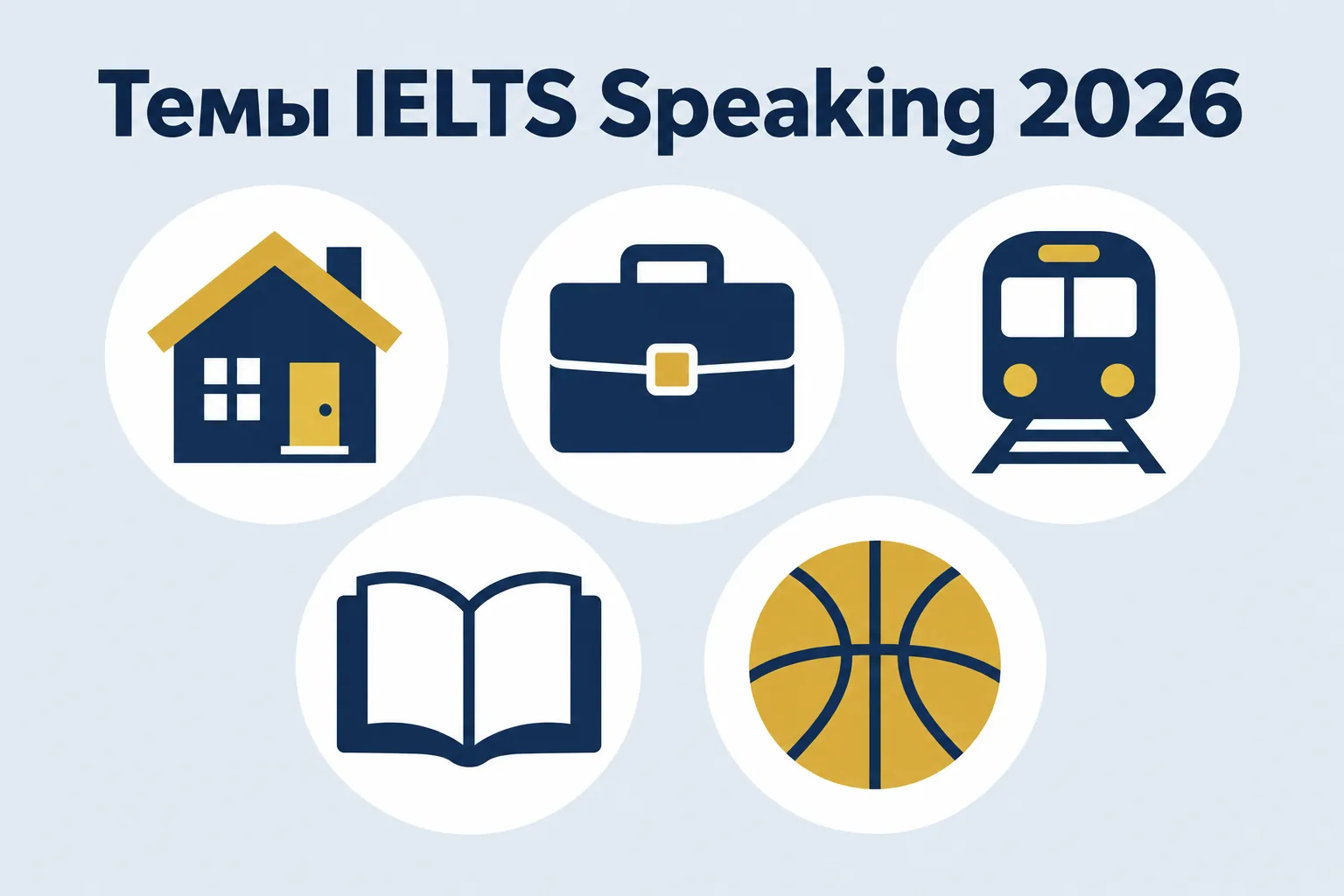
IELTS Speaking questions change, but the topics repeat. If you prepare vocabulary and a few stories for each topic group, you will not be caught off guard by any question. All questions below were created for this article following the pattern of real exam questions.
Part 1: topics and questions
The compulsory topic at the start is work or studies, sometimes home.
Work or studies
- What do you do? / What are you studying?
- What do you like most about your job/course?
- Would you like to change your job in the future?
Home
- Do you live in a house or an apartment?
- What's your favourite room and why?
Common everyday topics: daily routine, weekends, music, reading, cooking, weather, sport, shopping, mobile phones, transport, holidays, friends, sleep, noise, colours, gifts, the internet.
Example questions on one topic:
- How often do you use public transport?
- What's the most popular way to travel in your city?
- Would you prefer to drive or to take a train for a long journey?
How to answer: 2–4 sentences, direct answer + reason or detail.
How often do you use public transport? Almost every day, actually. I take the metro to work because it's quicker than driving, especially in rush hour, and it gives me twenty minutes to read or catch up on podcasts.
Part 2: cue cards by group
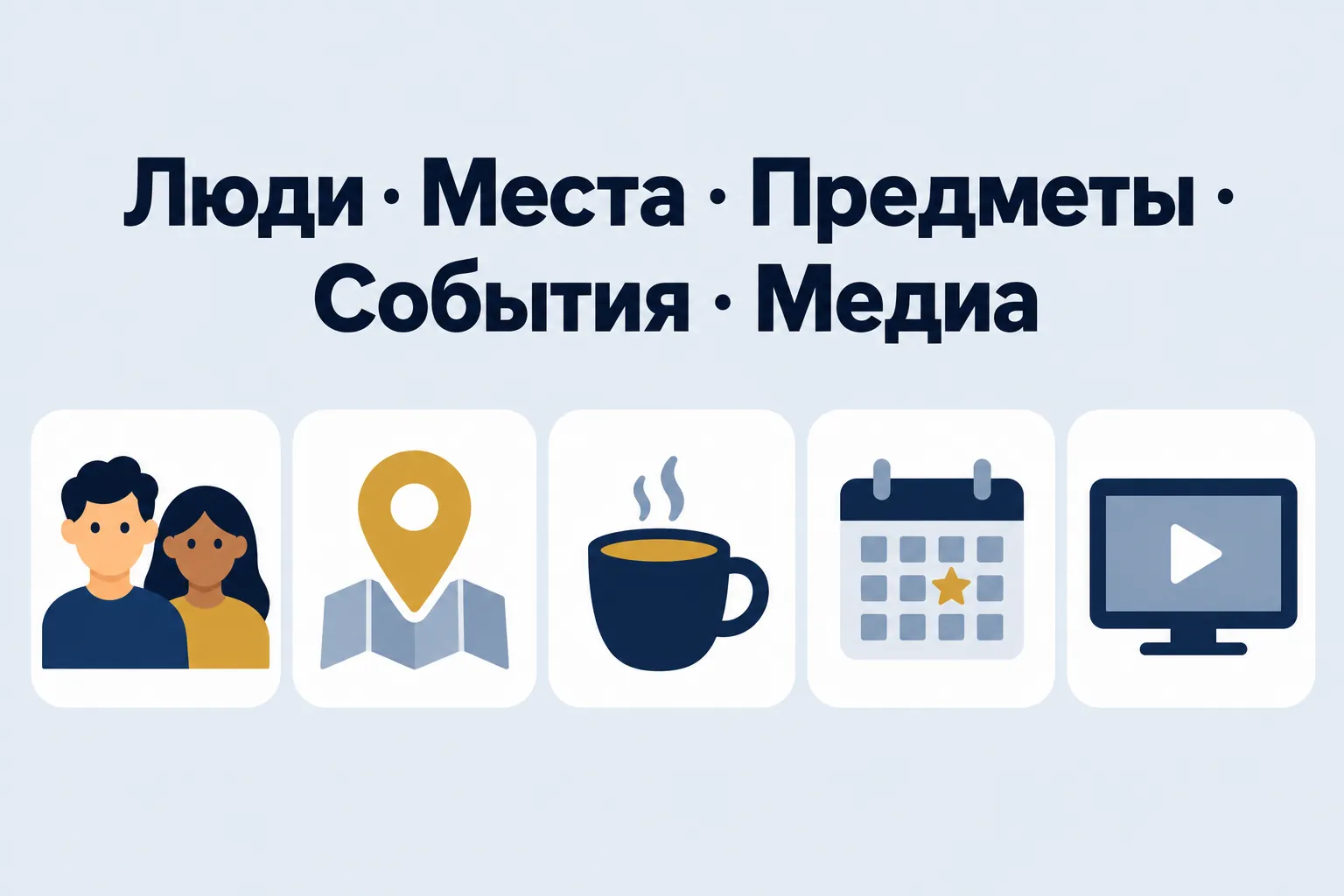
Cue cards fall into five groups. Prepare 2–3 stories for each: one story can fit several cue cards.
| Group | Example cue cards |
|---|---|
| People | a person who inspired you; a friend you have known for a long time; someone who is good at their job |
| Places | a place you visited that you would like to return to; a quiet place you like; a building you find interesting |
| Objects | something you bought recently; a gift you gave; a piece of technology you use every day |
| Events and experiences | a time you helped someone; a time you learned something new; a celebration you enjoyed |
| Media and ideas | a book or film that influenced you; a website you use often; a rule you think is important |
Example cue card:
Describe a skill you learned as an adult. You should say: – what the skill is – how you learned it – how long it took and explain how this skill has been useful to you.
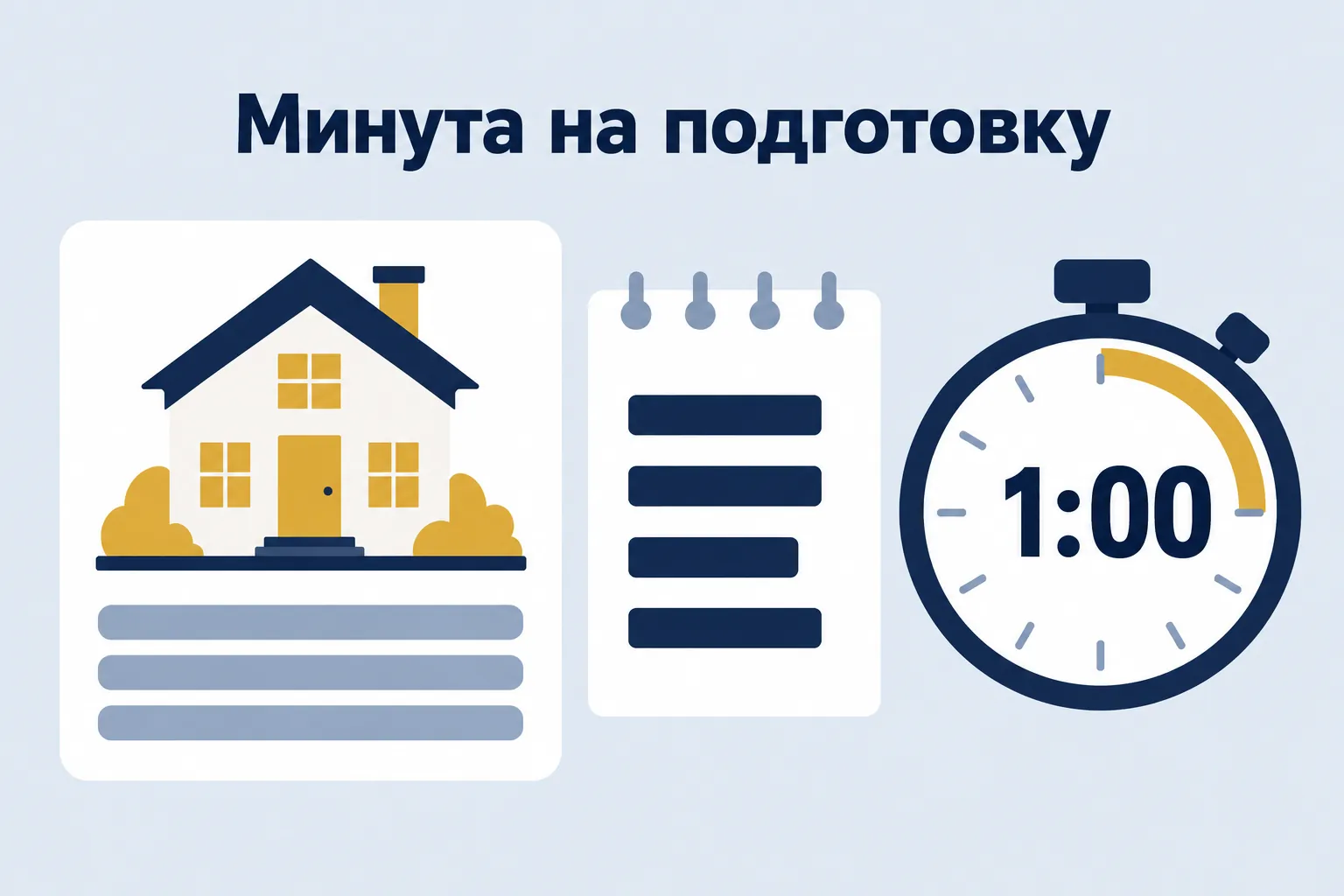
One minute of preparation — keywords, not sentences: swimming / at 28 / lessons + YouTube / 4 months / confidence, holidays, back pain gone.
Part 3: discussion questions
Part 3 continues the Part 2 topic but at the level of society. Example for the skills cue card:
- Why do some adults find it difficult to learn new skills?
- Should employers pay for their staff to learn new skills?
- How has technology changed the way people learn?
- Do you think practical skills are valued less than academic qualifications?
Sample answer:
Should employers pay for their staff to learn new skills? I think in most cases they should, because they're often the main beneficiaries. If a company trains its staff in, say, data analysis, it gets more productive employees without the cost of hiring new ones. That said, I can see why smaller firms might hesitate: they worry that once someone has gained a valuable skill, they'll leave for a better-paid job elsewhere. So perhaps a fair compromise is for the company to cover the cost in exchange for the employee staying for a certain period.
How to prepare topics
- For each topic group, make a list of 20–30 natural collocations.
- Prepare 2–3 adaptable stories for Part 2.
- Practise answering aloud, record yourself and listen back.
- Do not write full answers: keywords only.
How the assessment criteria work and what to do in difficult situations is explained in the article “IELTS Speaking”. Sample band 8 answers, pronunciation and a practice plan are in the Speaking guide.
FAQ
Do IELTS Speaking topics repeat?
Yes, by groups: people, places, objects, events, experiences, habits, technology, nature, work and studies. The specific questions change, but the topic groups stay the same.
Should I memorise answers for topics?
No. Prepare vocabulary and stories by topic, not a full script. Examiners can easily recognise memorised answers and this will lower your band score.
Next step
Mock test
IELTS mock test
Listening, Reading, Writing and Speaking in the computer-based test format and IELTS band forecast on the 0–9 scale.
6 USDone-time
Go to mock testGuide
IELTS Speaking at 8–9: Speak Fluently, Not from a Template
The examiner is not assessing your opinions or your life story, but how well you use the language. We break down what that means in practice.
15 USD
Open guide